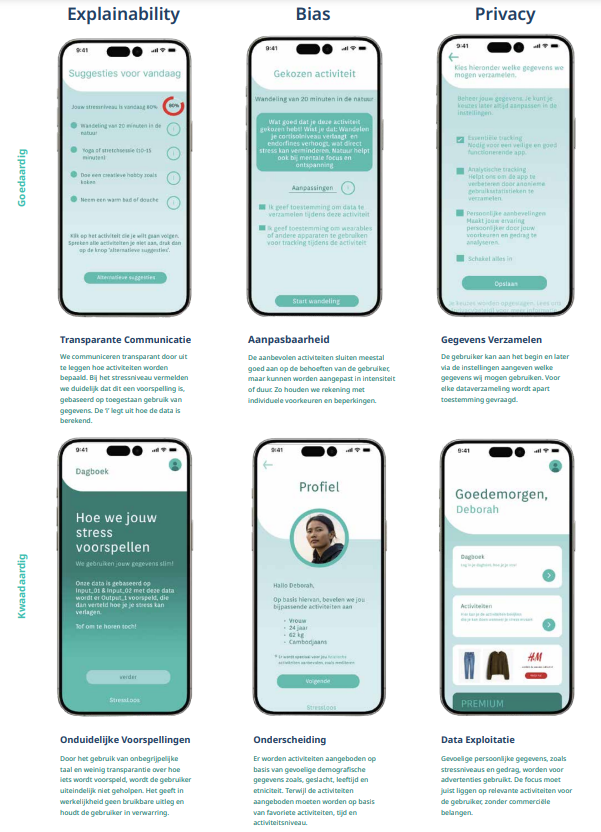
In this project, I worked together with a fellow student to create two interactive applications in Figma. The applications are based on data experiments that we set up ourselves. One of these applications had to be designed in a “good” way and the other in a “bad” way. The focus was mainly on ethics, especially in the areas of Bias, Privacy, and Explainability.
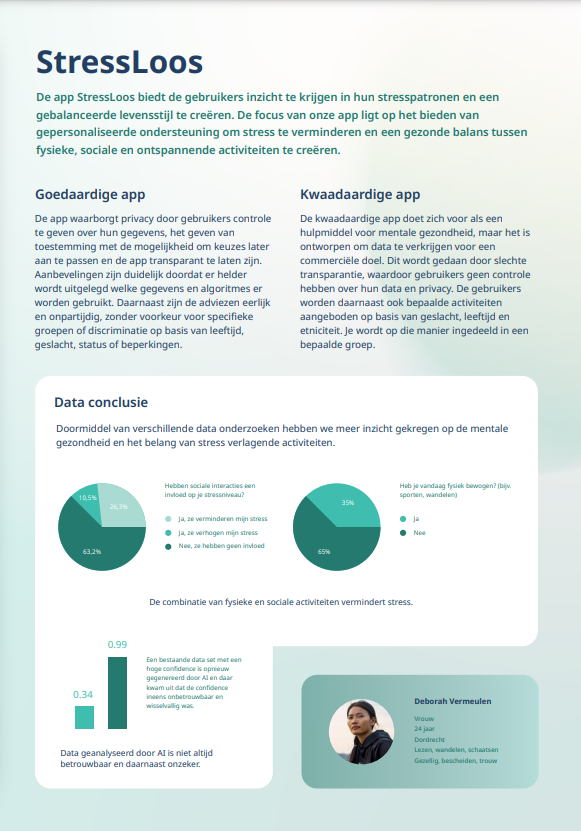
Our data experiments were based on different surveys. We researched social and physical interactions, daily mood, and stress. The main conclusion from our research is that a combination of physical and social activities helps to reduce stress.
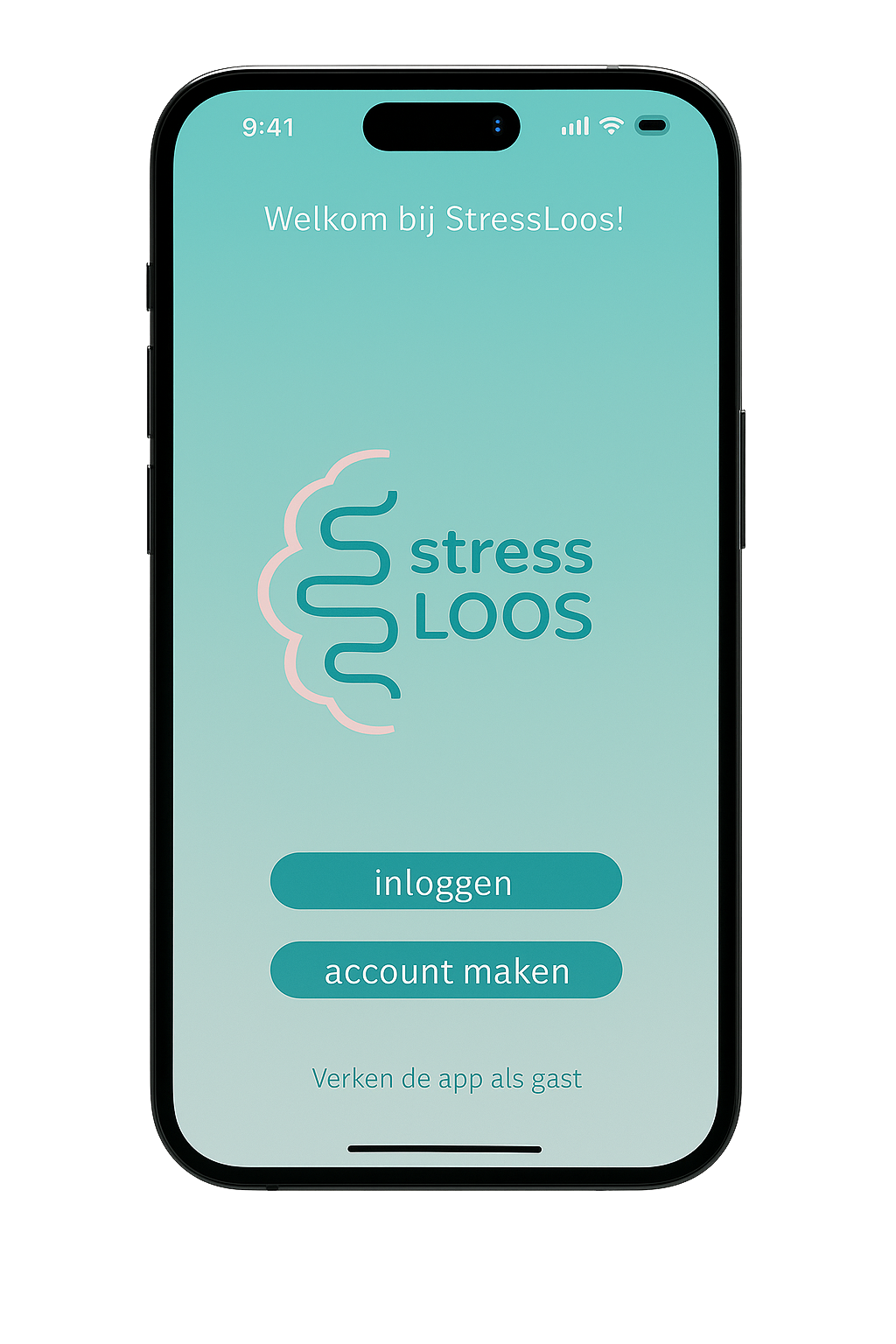
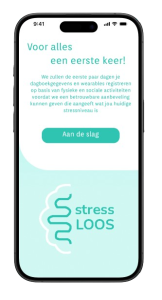
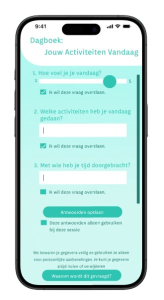
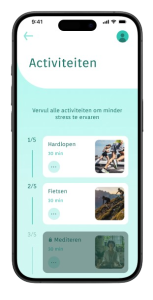
The app stressLOOS gives users insight into their stress patterns and helps them create a balanced lifestyle. The focus of this app is on offering personalized support to reduce stress and encourage a healthy balance between physical, social, and relaxing activities.
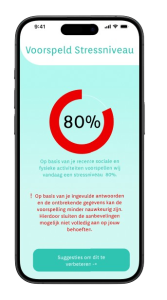
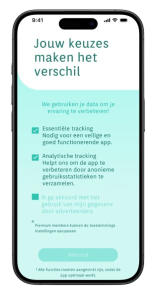
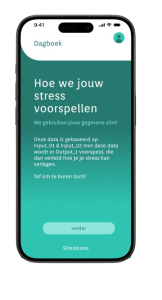
The “good” app protects privacy by giving users control over their data, asking for clear consent with the option to change choices later, and being fully transparent about the data and algorithms used. Recommendations are fair, unbiased, and free of discrimination, with clear explanations about how the advice is made.
The “bad” app, on the other hand, presents itself as a tool for mental health but is designed to collect user data for commercial purposes. Because of the lack of transparency and control over data, users are placed into groups based on gender, age, and ethnicity. This harms their privacy and autonomy.