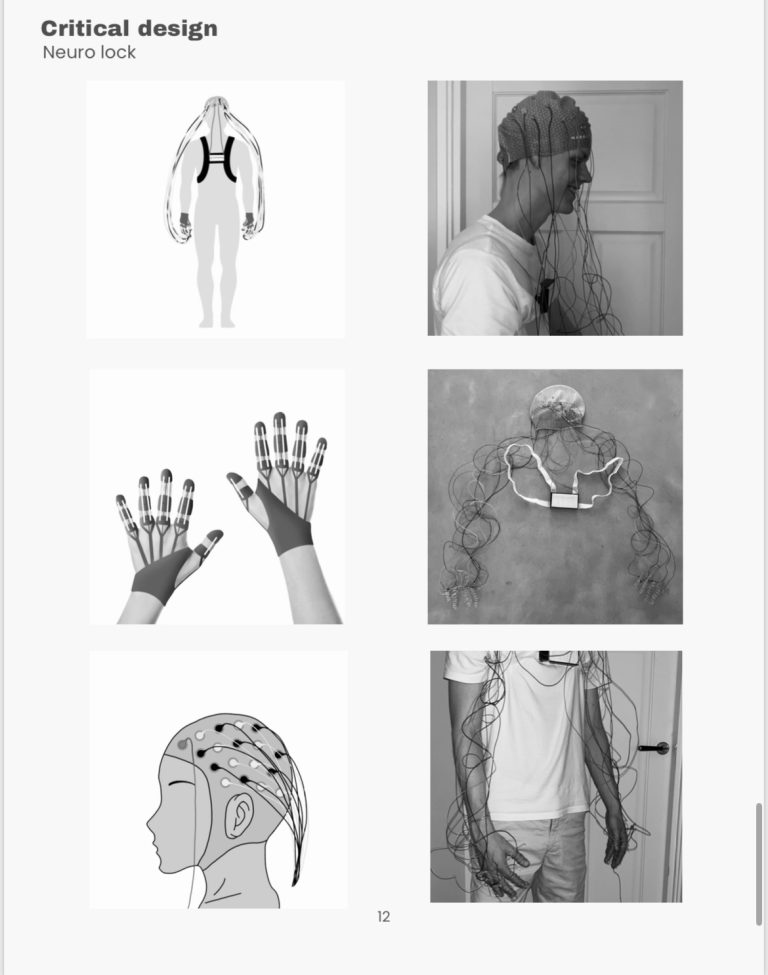
For the Ministry of Social Affairs and Employment, we developed a Critical Design piece that addresses the growing stress levels and increase in burnout among employees. Our design combines insights into the rising mental workload and the shift from manual labor to cognitive labor. The result is a thought-provoking concept: a prosthesis that restricts hand movements based on brain activity, making the impact of work pressure tangible. This design invites discussion and encourages reflection on today’s working environment.
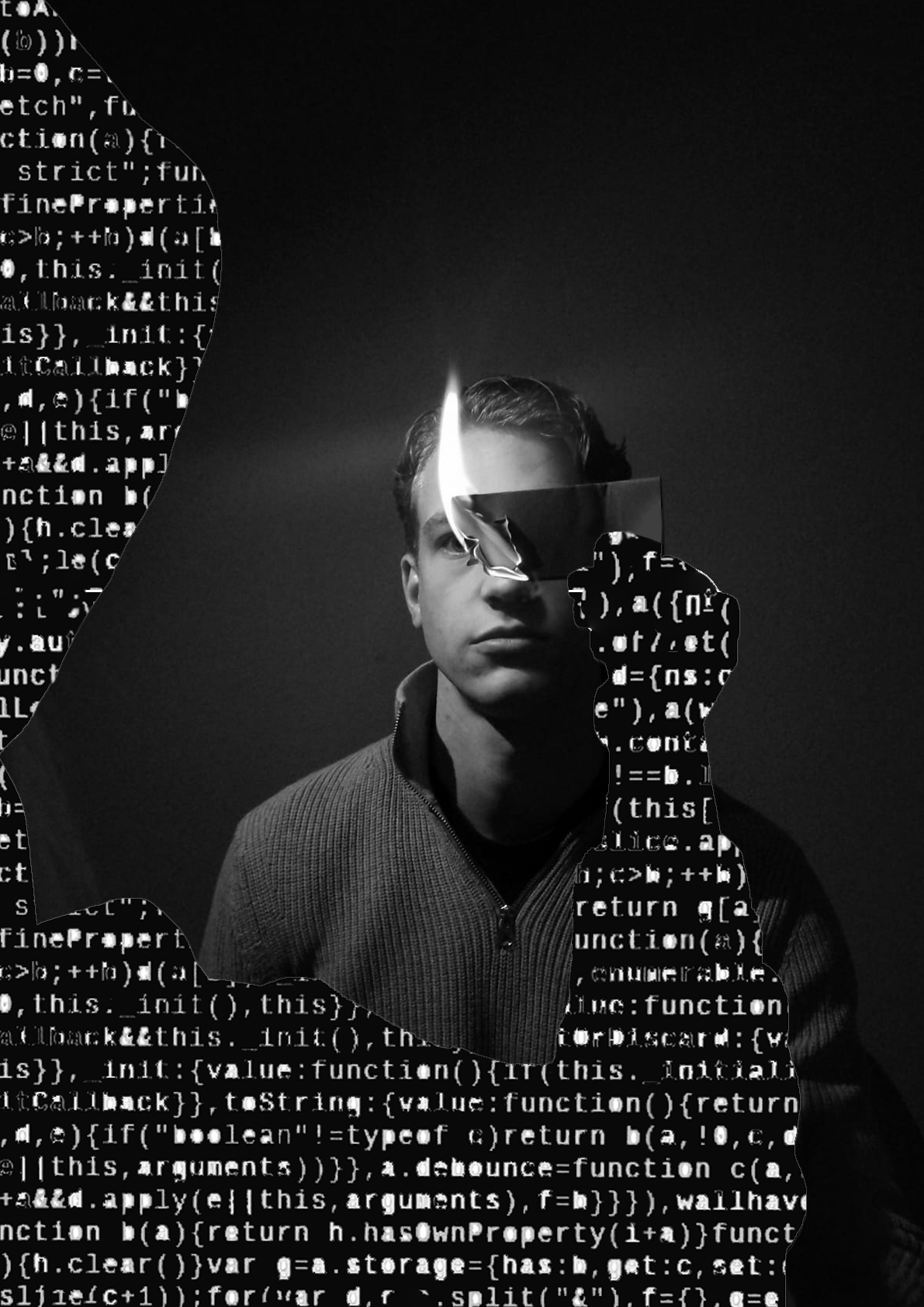
In this project, I created an image that reflects my vision of the impact of artificial intelligence. The work highlights the negative consequences of AI, such as the loss of privacy and anonymity through data collection and advanced monitoring. This can evoke a suffocating sense of losing control. The iterative design process has strengthened my identity as a designer and helped me convey my ideas with strong visual impact.
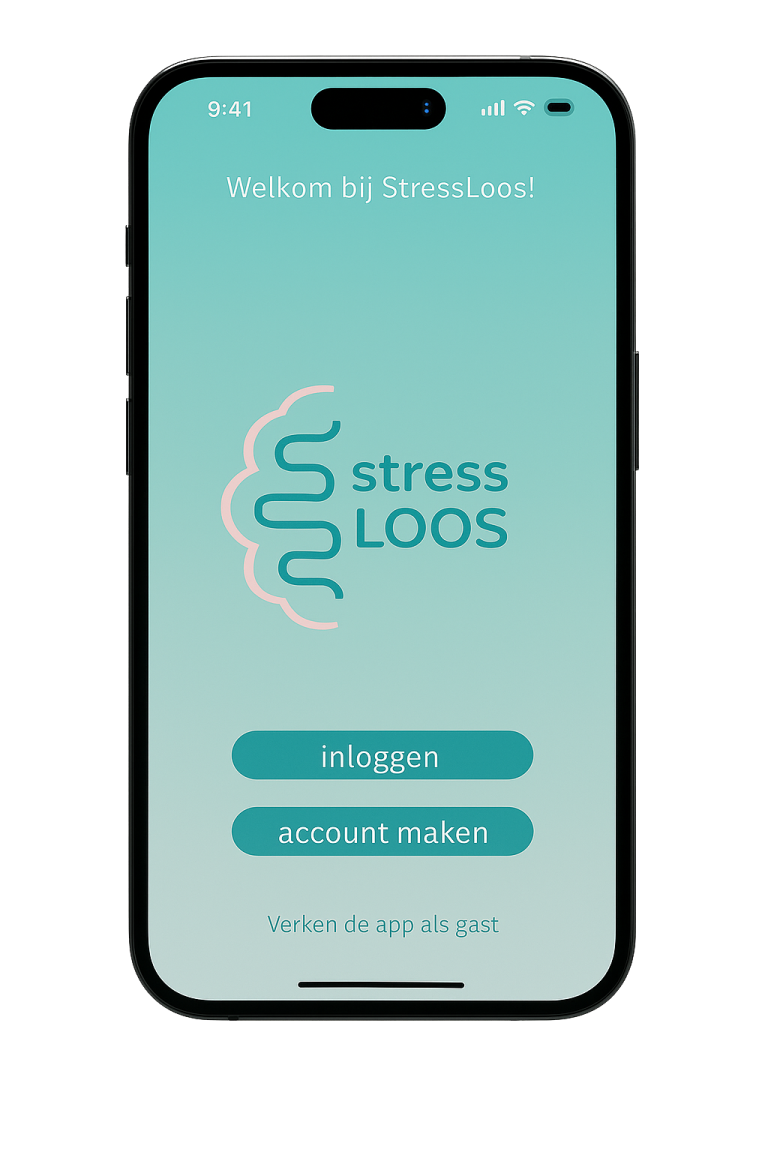
In this project, we developed two interactive applications in Figma, based on data experiments related to stress, mood, and interactions. The focus was on ethics, with particular attention to Bias, Privacy, and Explainability. Our benevolent app, stressLOOS, helps users recognize stress patterns and build a balanced lifestyle while maintaining full control over their data. The malicious app, on the other hand, exploits user data through a lack of transparency and ethical responsibility, sparking discussions on data misuse and personal autonomy.
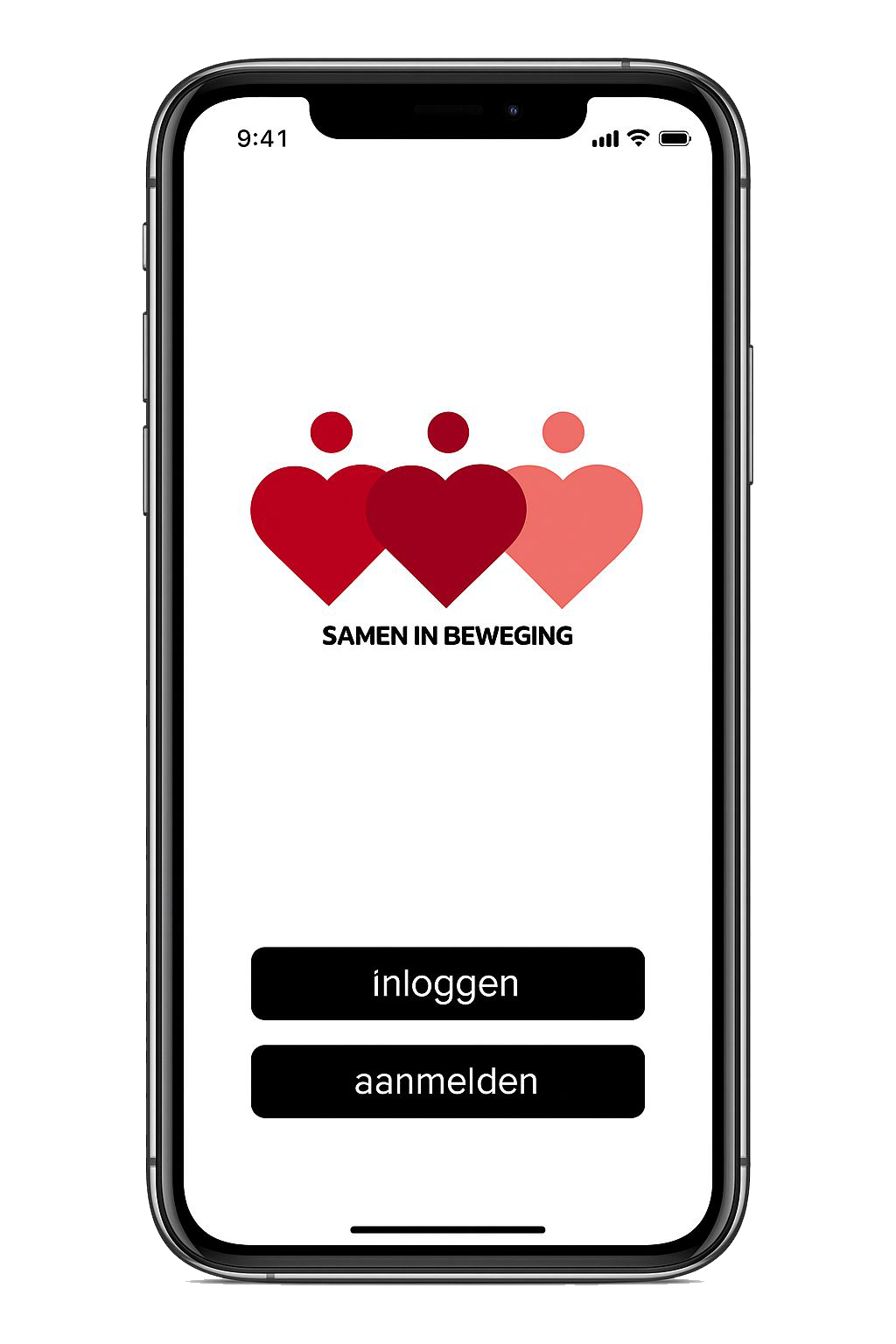
I developed the ‘Samen in Beweging’ app to encourage working young adults (25-35) in Breda to exercise more. Based on interviews, I concluded that exercising together motivates people, which led to a design with four accessible sports: walking, running, cycling, and rollerblading. The app includes a calendar, registration options, a community for motivation, and the option to organize your own activities. This promotes both physical activity and social connection in the city.
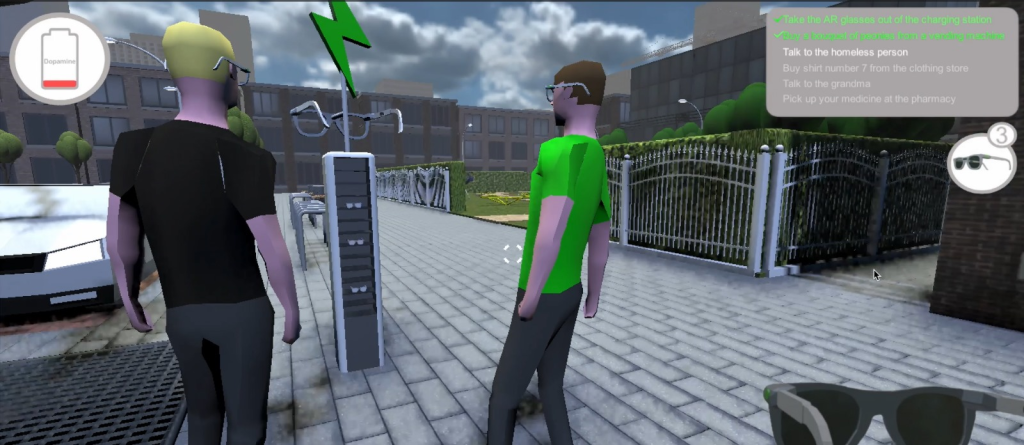
Together with my design group from this module, we designed a game in which players experience life in a Dutch city in 2050, based on the scenario “Fast World.” Technology dominates, social interactions disappear, and dopamine through devices is crucial. Players keep their dopamine levels high with technological tasks, but excessive use leads to loss. The game warns of this potential future of isolation and dependency.
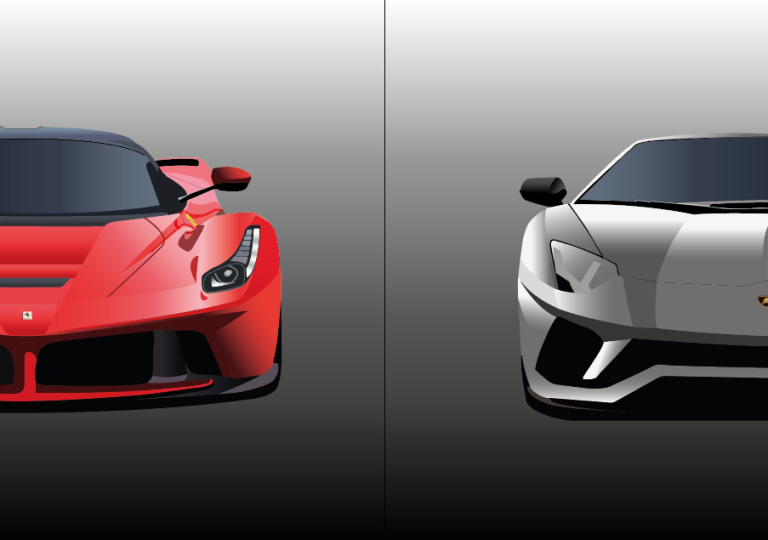
In my free time, I enjoy developing and expanding my graphic design skills. For this project, I created an illustration in Adobe Illustrator for my friend, who wanted two different cars to display on his wall. To maintain a sense of balance and harmony, I used the same background color for both illustrations. I also focused on the details and shadows to create a realistic and polished final result.
Poster dementia
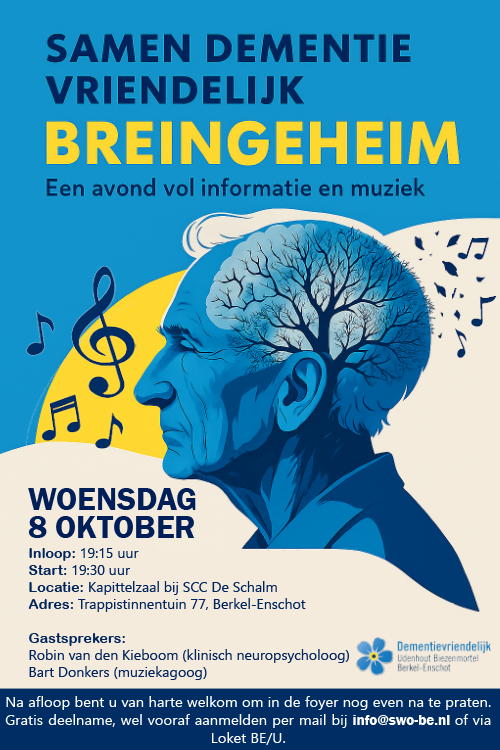
Sometimes, I work as a volunteer for ‘Dementievriendelijk’, an organization that aims to create a society where people with dementia and their caregivers can remain active and feel supported. They achieve this by raising awareness about dementia and organizing events. My role focuses on the graphic side of their communication, where I design posters, flyers, and cards to promote these events. This particular poster was created for a meeting discussing the impact of music on people with dementia.
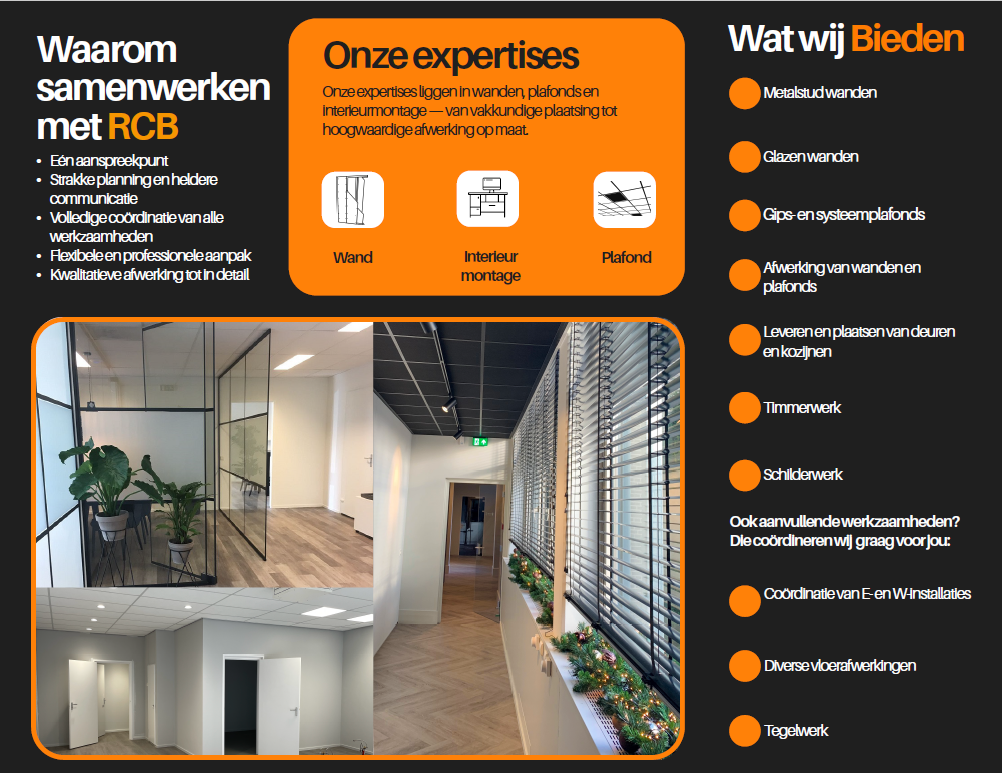
BROCHURE rcb
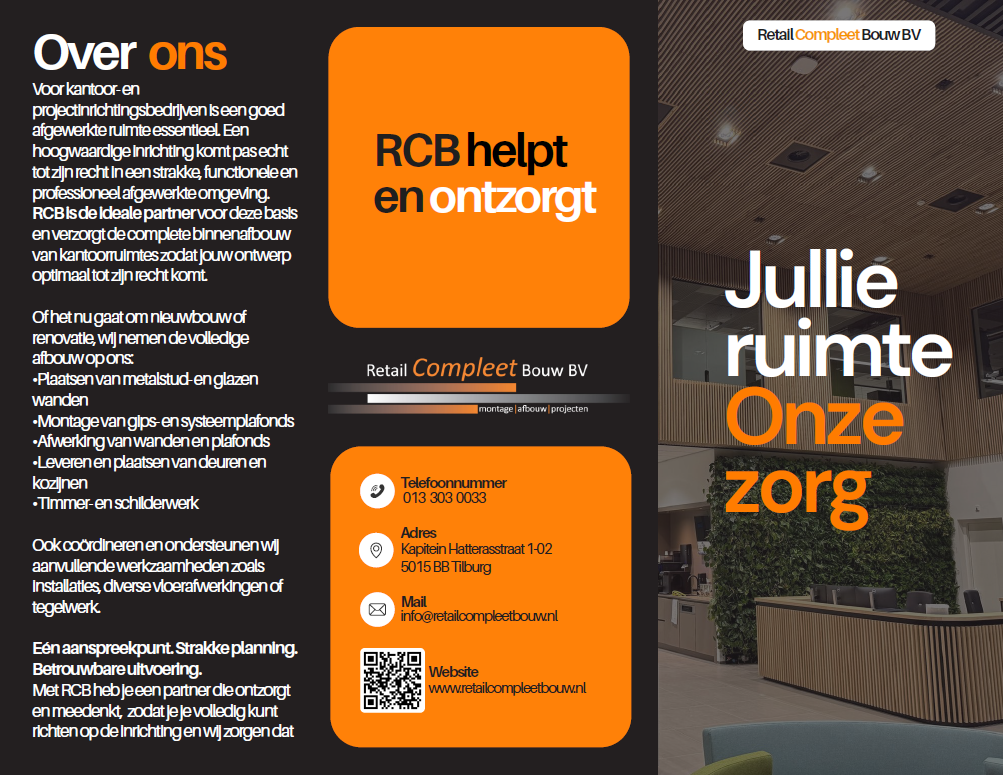
For RCB, I designed a brochure for a direct mailing campaign aimed at increasing awareness of the company. The design highlights RCB’s core values and gives potential clients a clear and appealing first impression.
SPOT LOGO
For Spot, a theatre organization in Goirle, I designed a new logo that brings together the magic of theatre and the craft of costume design.